From Oysters to Ecosystems: Environmental Testing Projects at Delaware Analytical
Here at Delaware Analytical, we engage in a wide variety of projects. Our laboratory partners with community organizations, researchers, and conservation groups to tackle pressing questions in environmental testing and water quality monitoring.
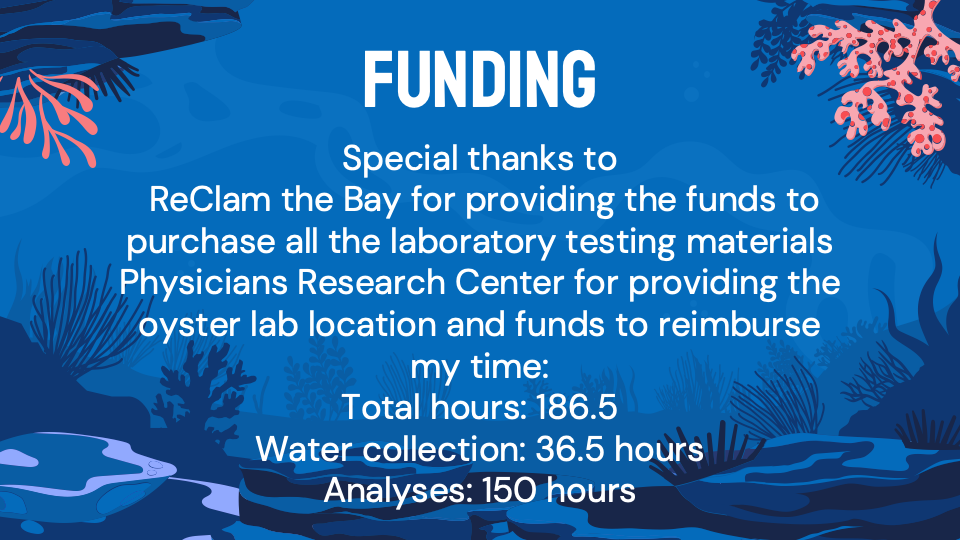
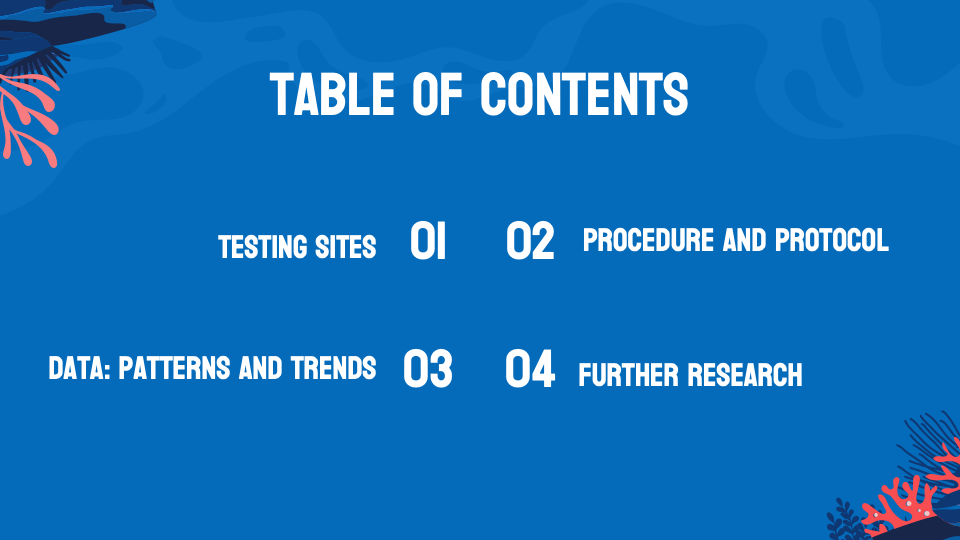
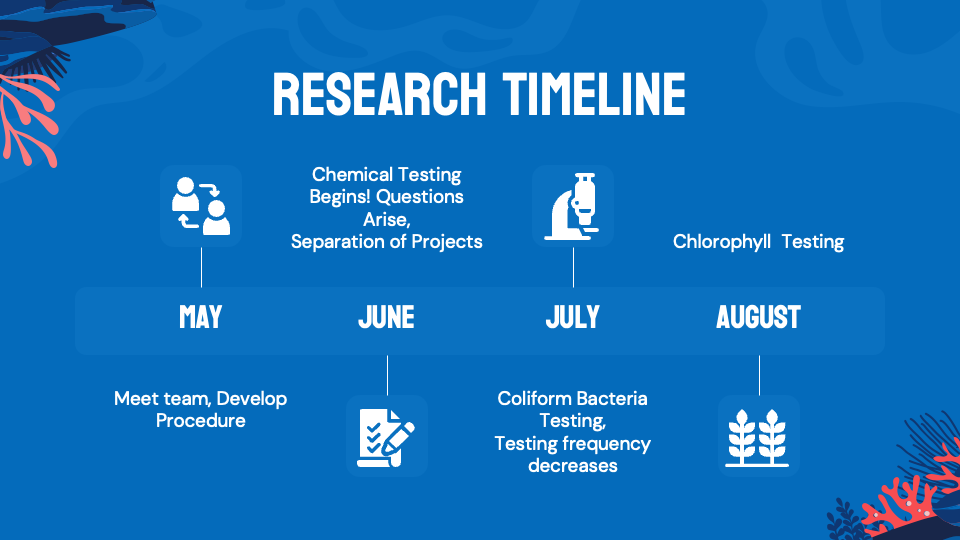
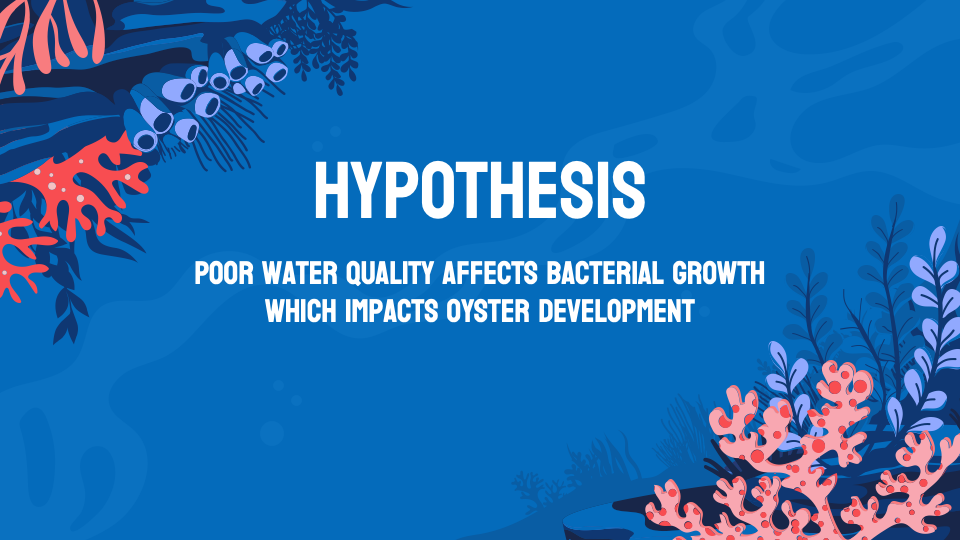
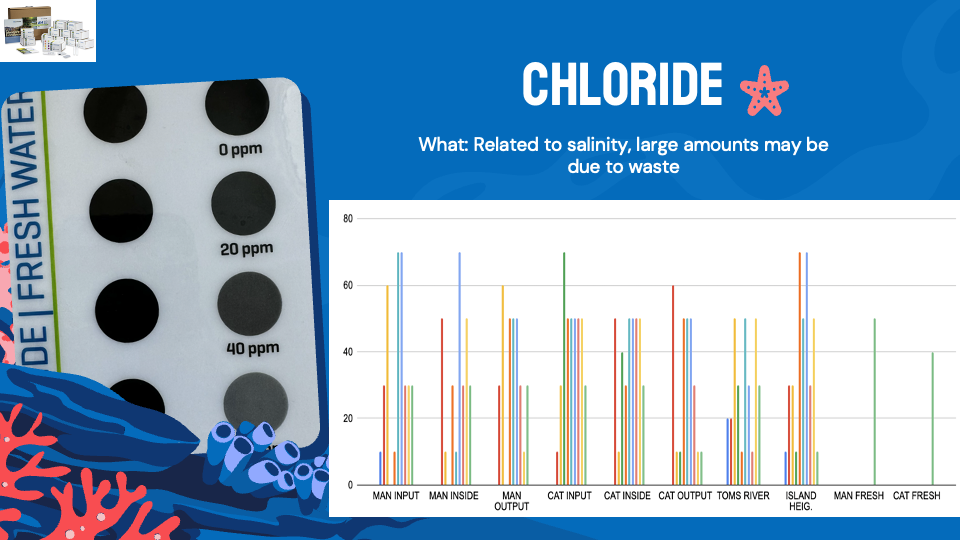
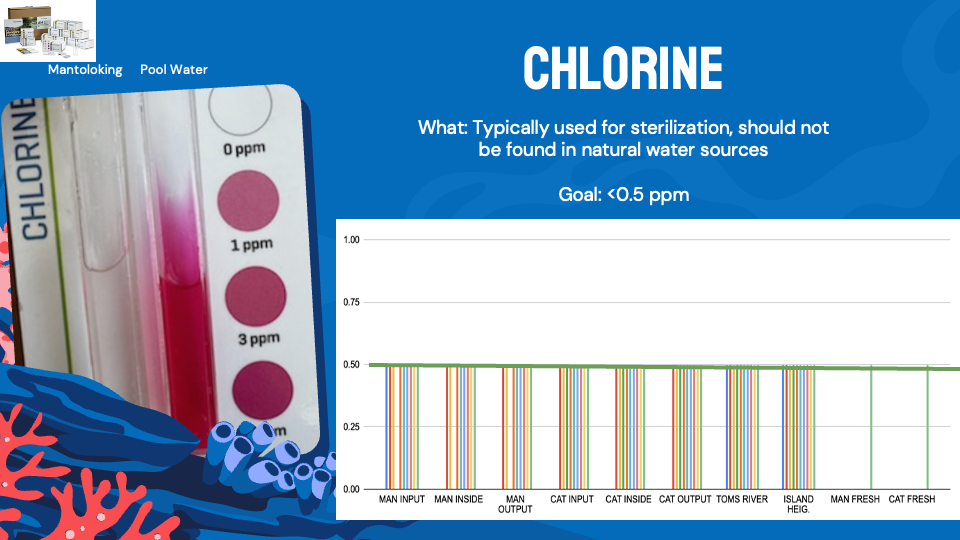
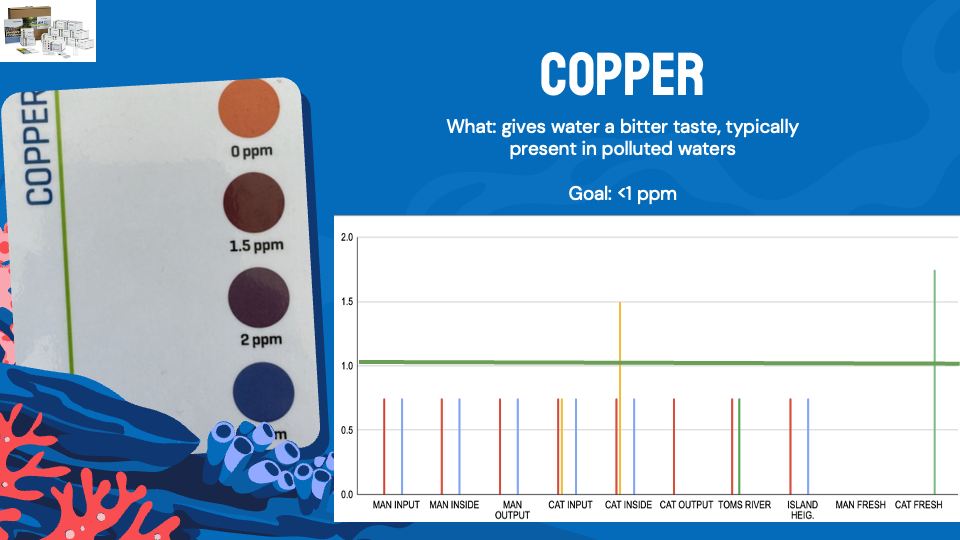
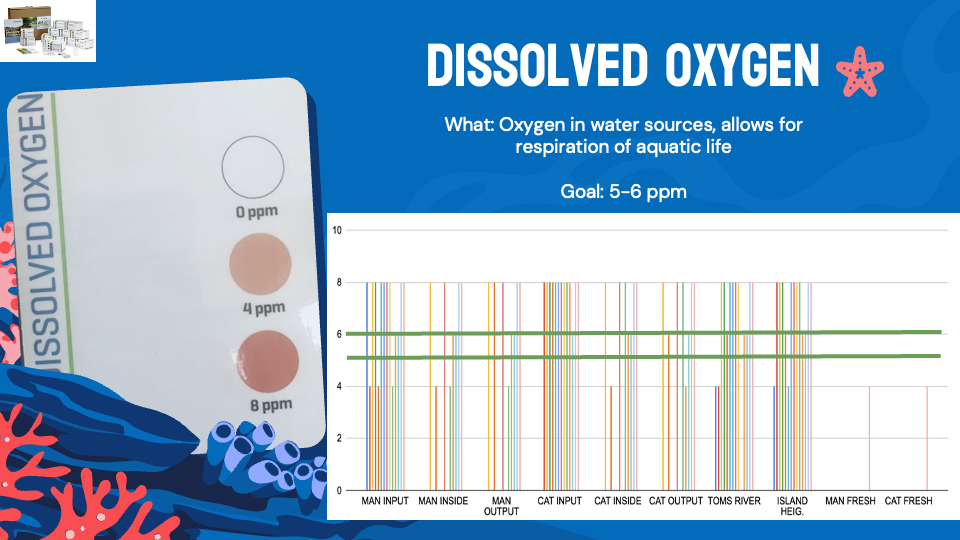
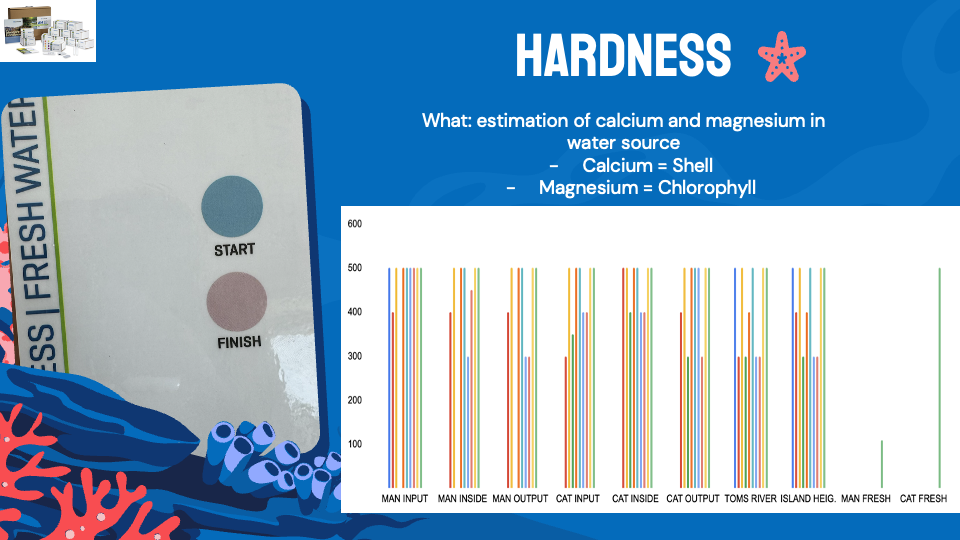
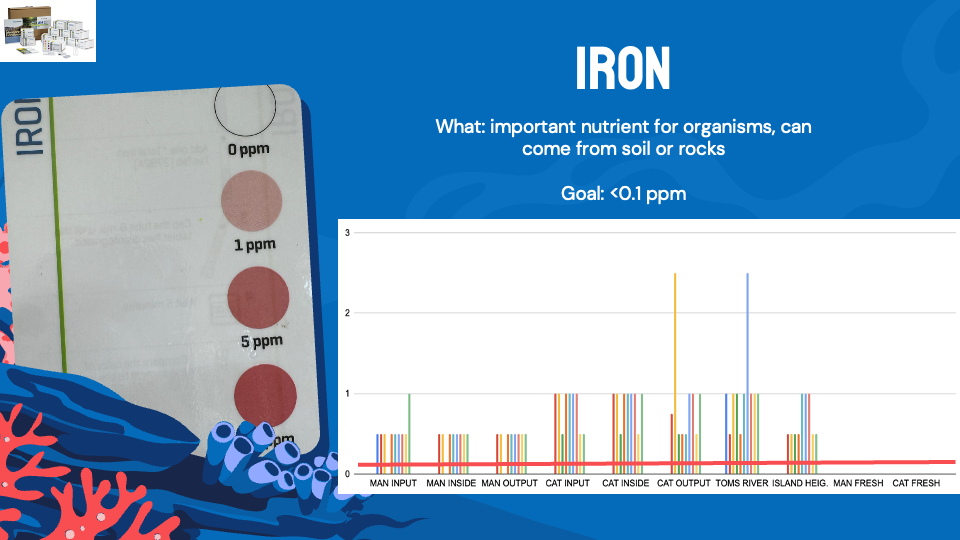
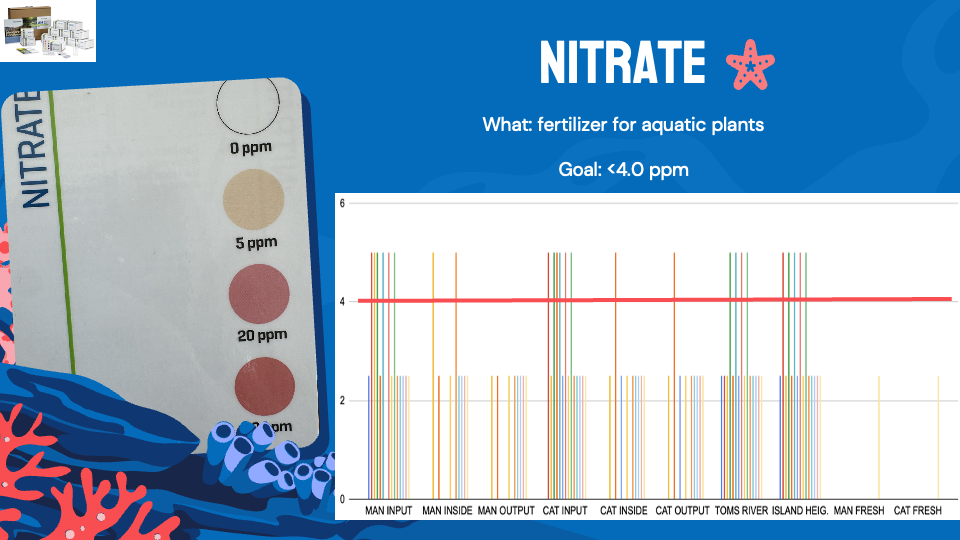
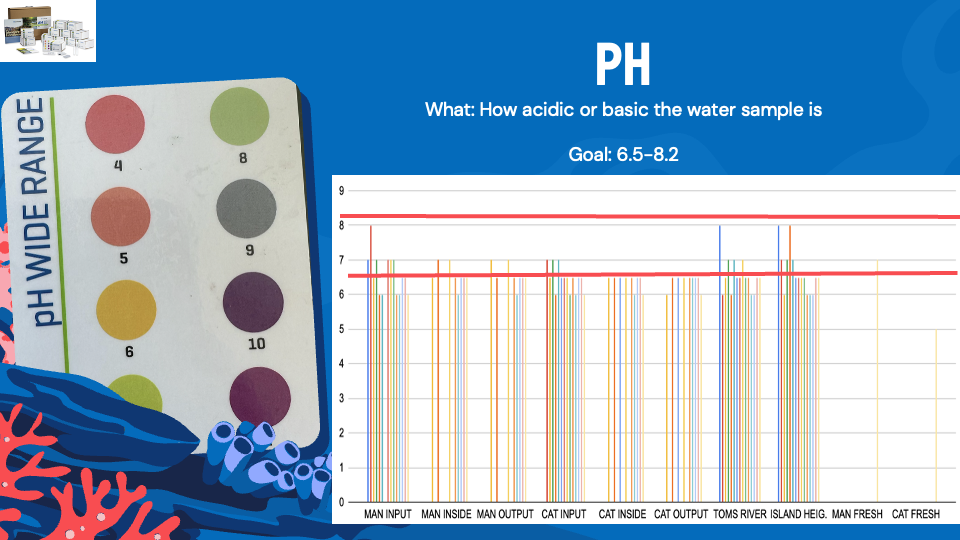
With the arrival of fall, our 2025 summer research season has concluded. Over the past several months, we’ve been deeply involved in marine conservation research—specifically, studying how water quality impacts oyster development along the New Jersey shore. This project was supported by our colleagues at ReClam the Bay. Check out our student’s presentation Below!

Why Water Quality Testing Matters
Healthy waterways are the foundation of thriving coastal ecosystems. Oysters, in particular, are nature’s water filters, and their growth depends on delicate balances of pH, dissolved oxygen, turbidity, salinity, and bacterial levels. By testing and monitoring these parameters, we can identify stressors in the environment and develop strategies to support both aquaculture and wild oyster populations.
Our Summer 2025 Research Focus
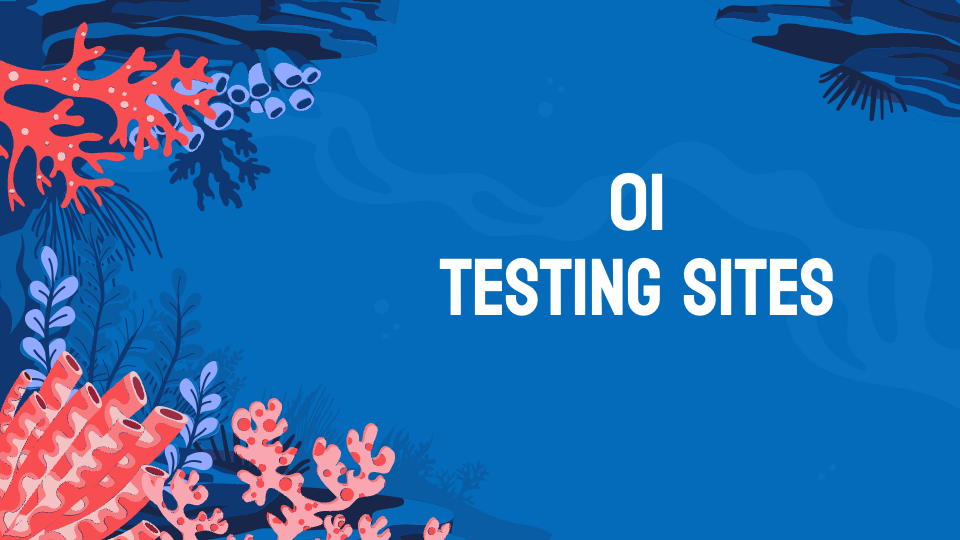
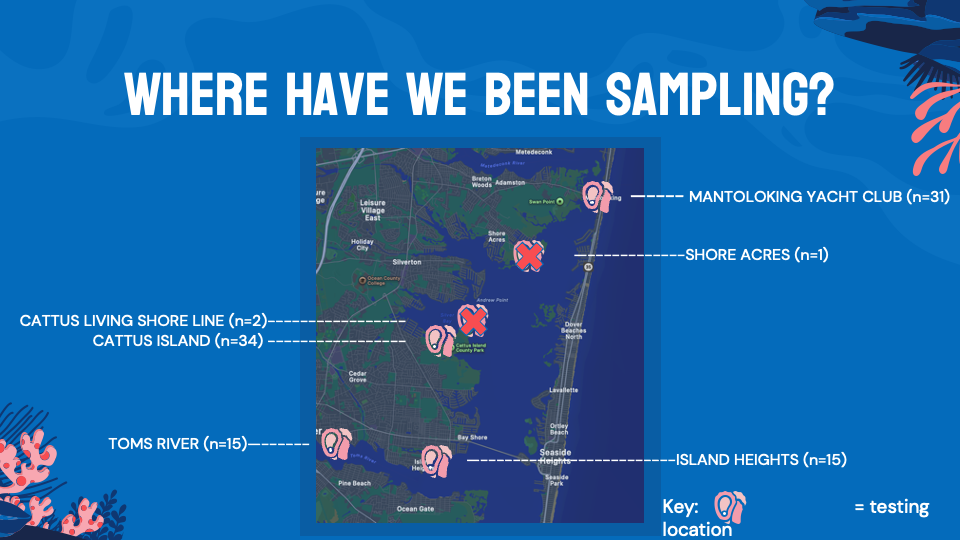
Working alongside students and volunteers, Delaware Analytical contributed to testing samples from multiple coastal sites, including:
Mantoloking Yacht Club Upweller
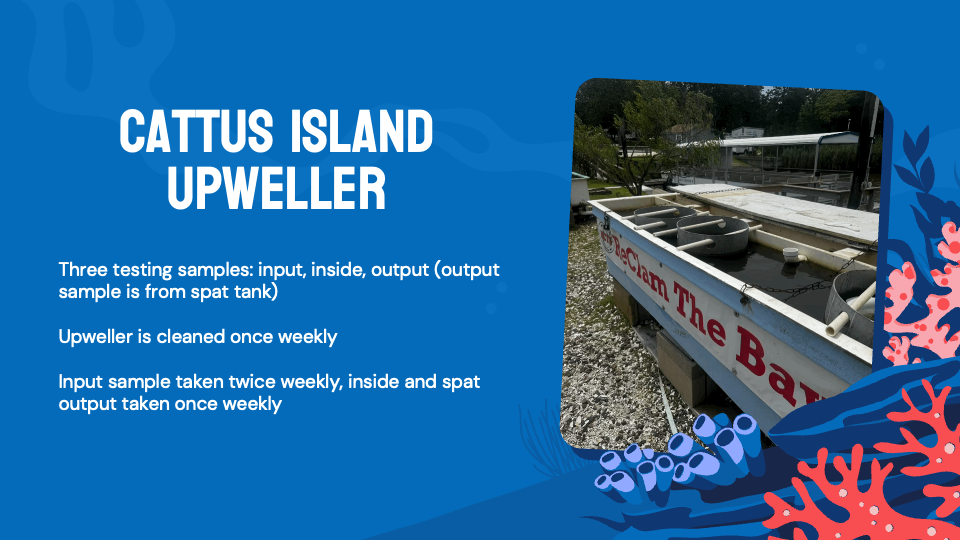
Cattus Island Upweller
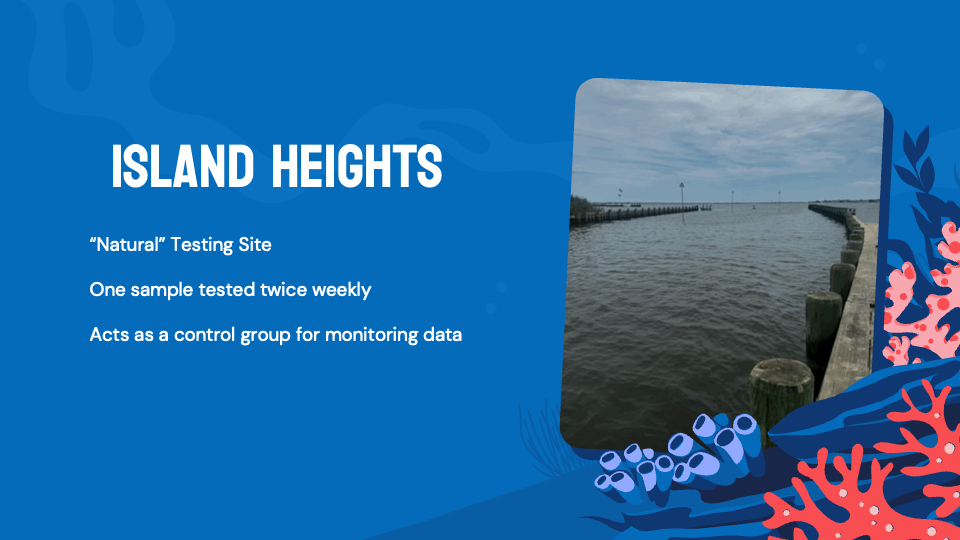
Island Heights (a “natural” control site)
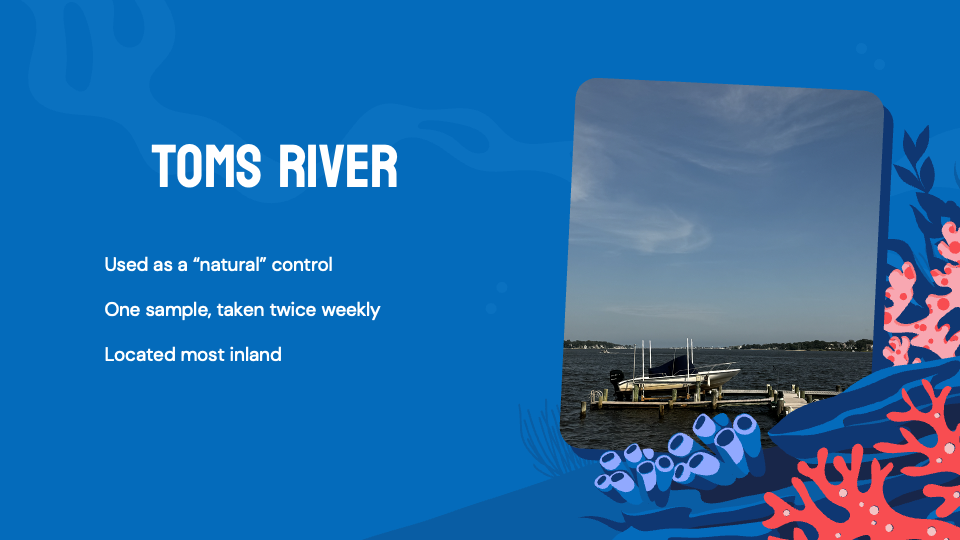
Toms River (inland control site)
Shore Acres and the Cattus Living Shoreline
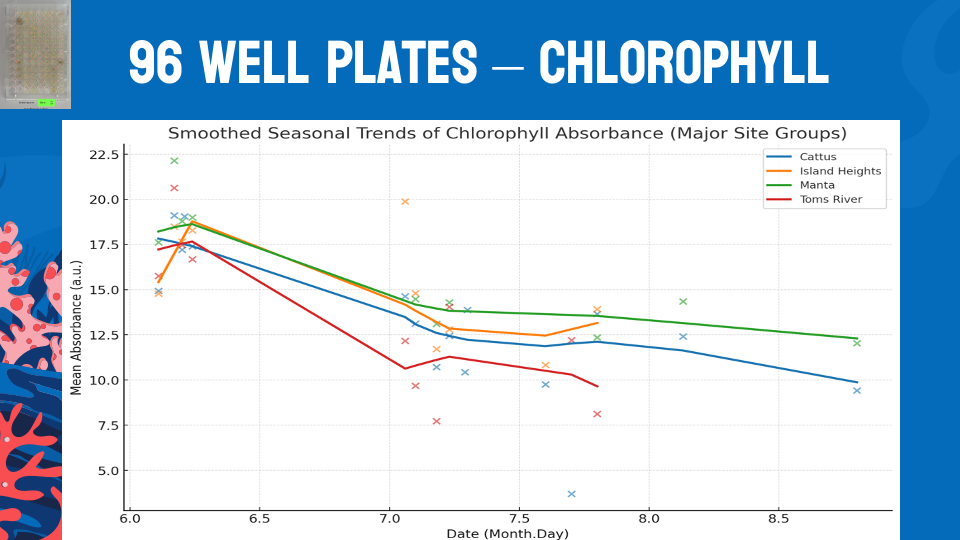
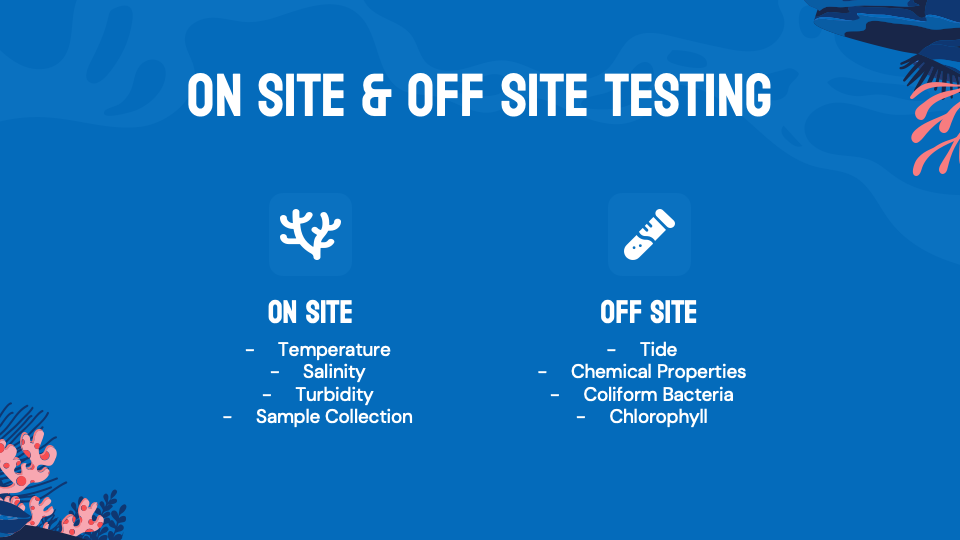
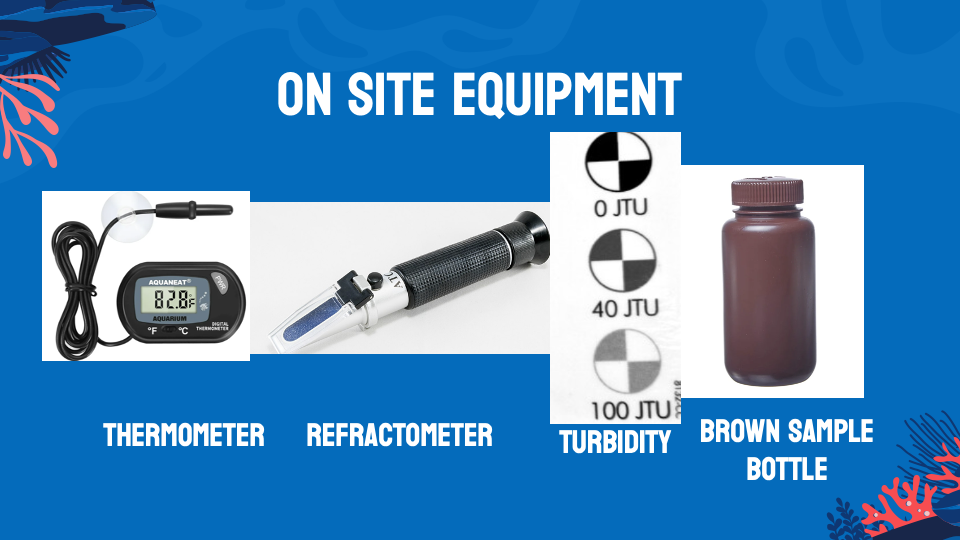
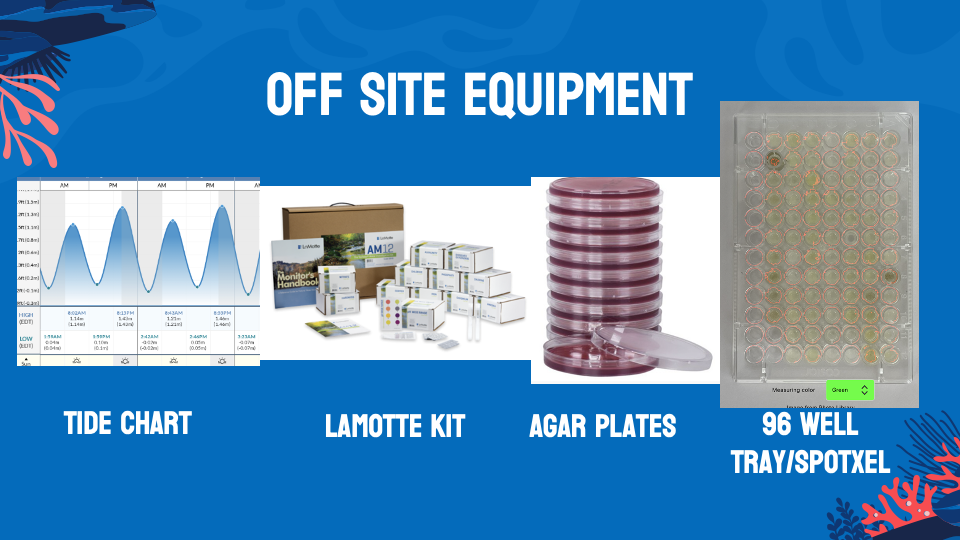
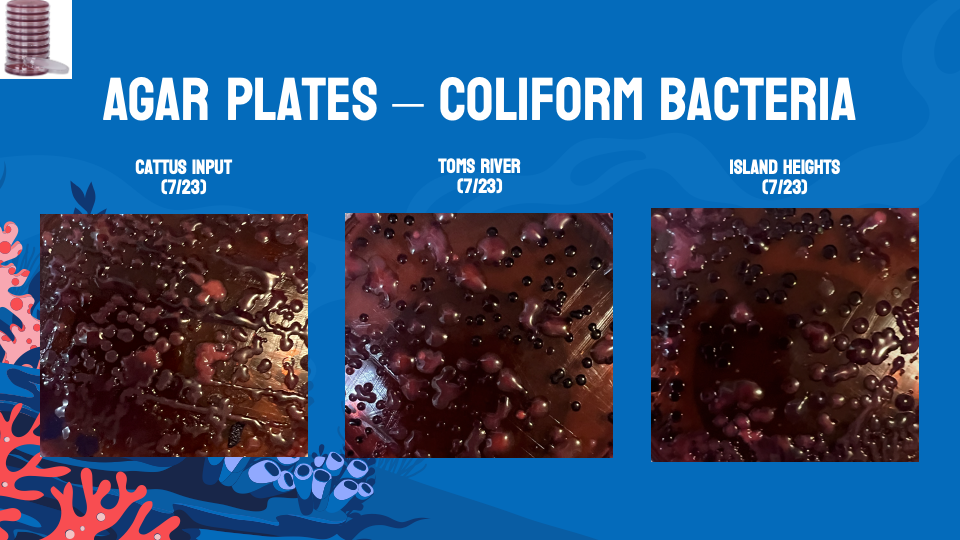
Across these sites, we conducted onsite testing (temperature, salinity, turbidity, tide conditions) and laboratory analyses(coliform bacteria counts, chlorophyll levels, nutrient concentrations). Using tools such as agar plates, refractometers, and 96-well trays, our team was able to track seasonal patterns and measure how water chemistry shifts influenced oyster growth and survival.
Key Insights from the Project
Our work highlighted several important parameters for monitoring:
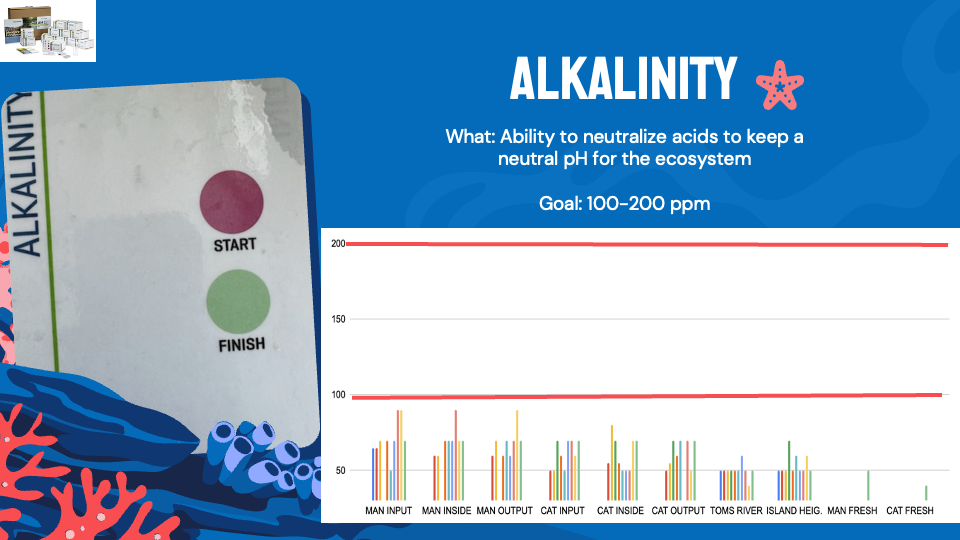
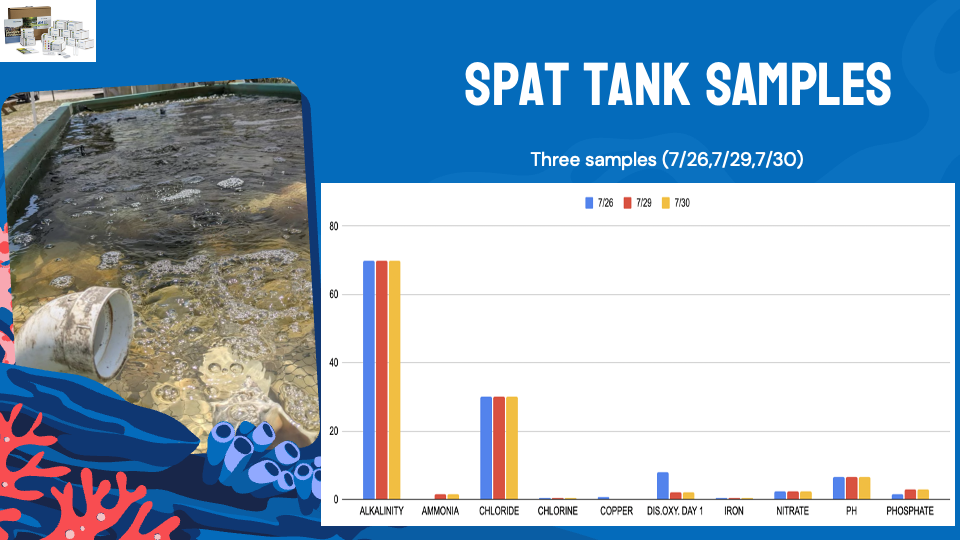
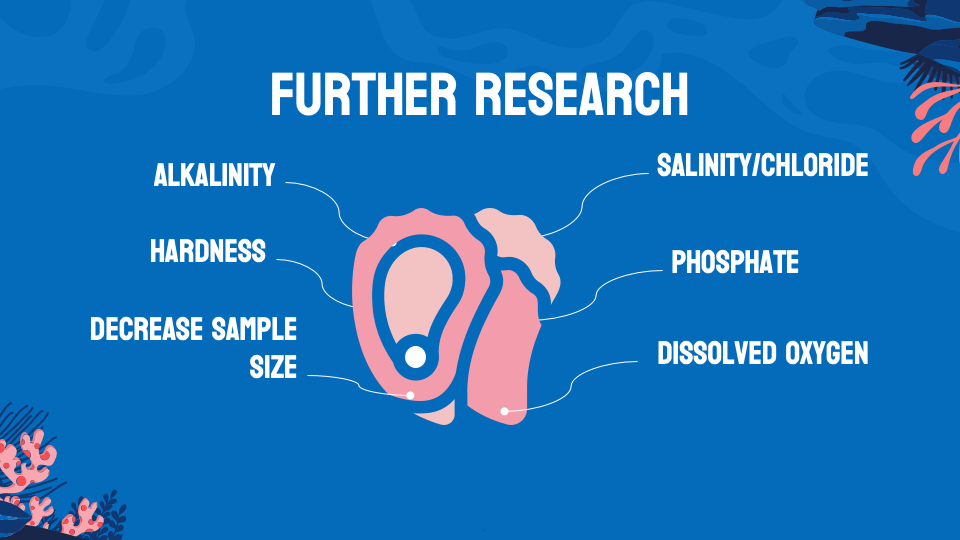
Alkalinity – essential for maintaining a stable aquatic pH.
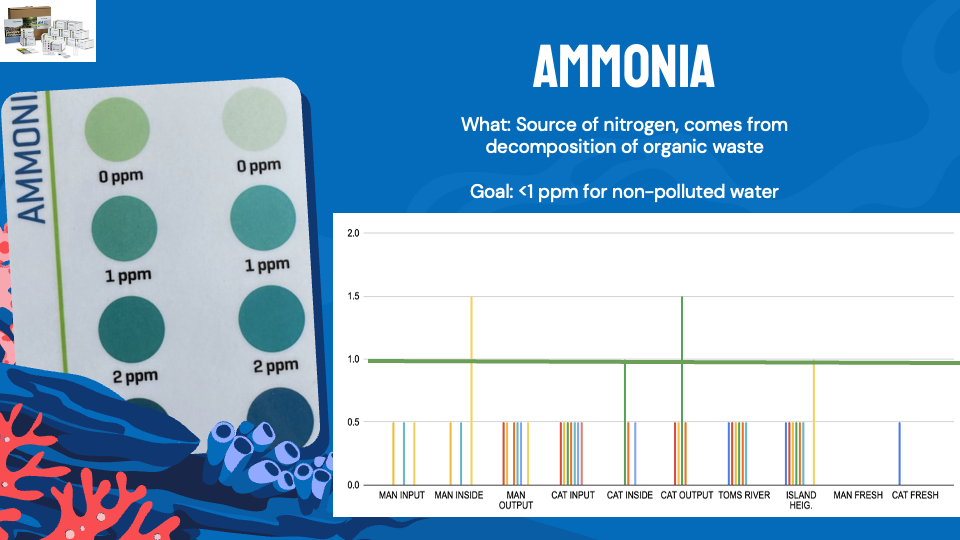
Ammonia and nitrate levels – indicators of waste or fertilizer runoff.
Dissolved oxygen – critical for oyster and marine life respiration.
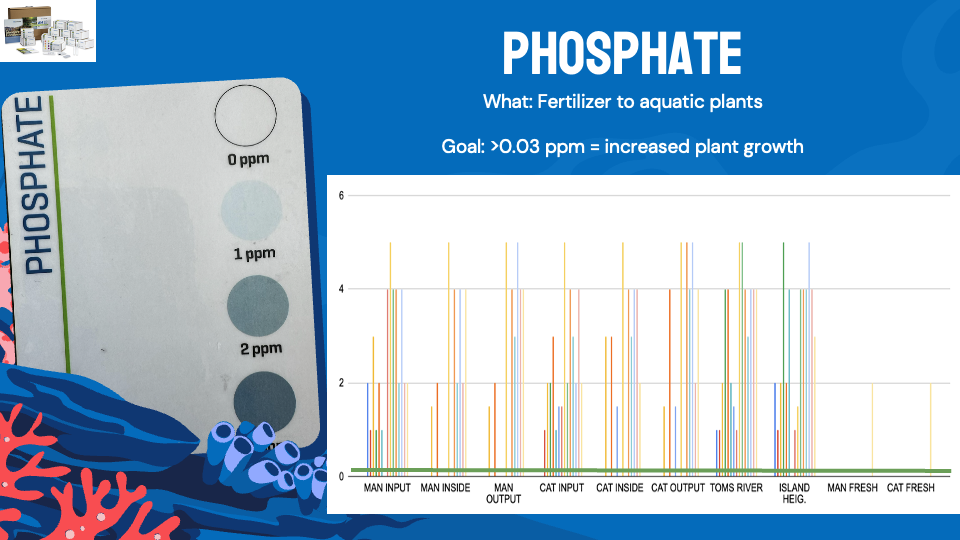
Phosphates – drivers of algal blooms when concentrations are too high.
These findings are valuable not only for oyster restoration efforts but also for broader environmental testing applications across estuaries, rivers, and nearshore environments.
Looking Ahead
Delaware Analytical is committed to applying our expertise in analytical testing to support marine biology, environmental conservation, and public health initiatives. Our ongoing work bridges the gap between laboratory science and real-world ecological challenges—whether it’s monitoring contaminants in waterways, developing better testing protocols, or collaborating with local organizations to restore coastal resilience.
If your organization is working on environmental testing projects—from water quality analysis to aquatic ecosystem monitoring—we’d love to collaborate. Reach out to our team to learn how Delaware Analytical can provide laboratory expertise, methodological support, and testing solutions tailored to your needs.
